
Objects of Affection
After a weekend spent gallery-hopping and discovering Hito Estudio’s new collection, Objects of Affection felt like the story I needed to tell.

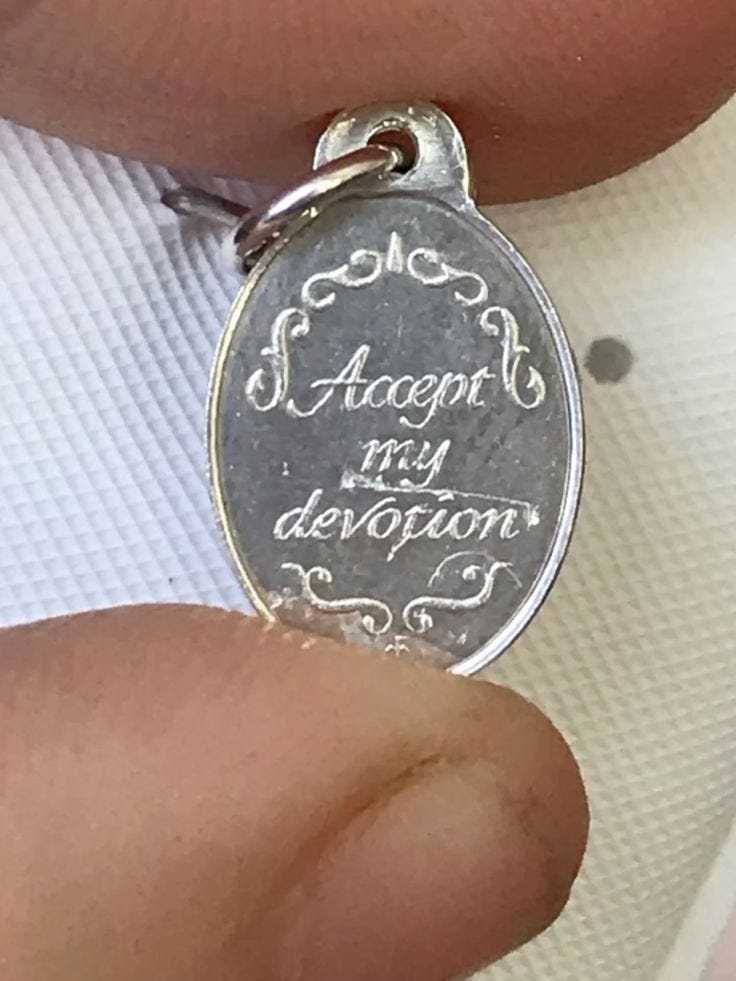
We love collecting things. Perhaps, deep down, we are still gatherers and hunters, who knows. But something that really sparked my curiosity this weekend was a visit to one of my favourite museums: the Victoria and Albert Museum in South Kensington.
Whenever I walk through the V&A, I’m reminded that objects are never just objects. They hold memory, intention, and emotion, sometimes far more than words ever could.
So, let’s start at the beginning: what actually is an object of affection?
An object of affection is defined as:
“A person or thing that someone loves, admires deeply, or feels a strong emotional attachment to, serving as the focus of their care, adoration, or even romantic feelings.”
There is, of course, also something called objectophilia, but that’s not something we’re diving into today (or any other day, I think…).
It’s a beautiful definition, but for me, what truly makes an object an object of affection is not just the emotional attachment, it’s intention. Something made for someone, or with someone in mind. An object infused with feeling from the very beginning.
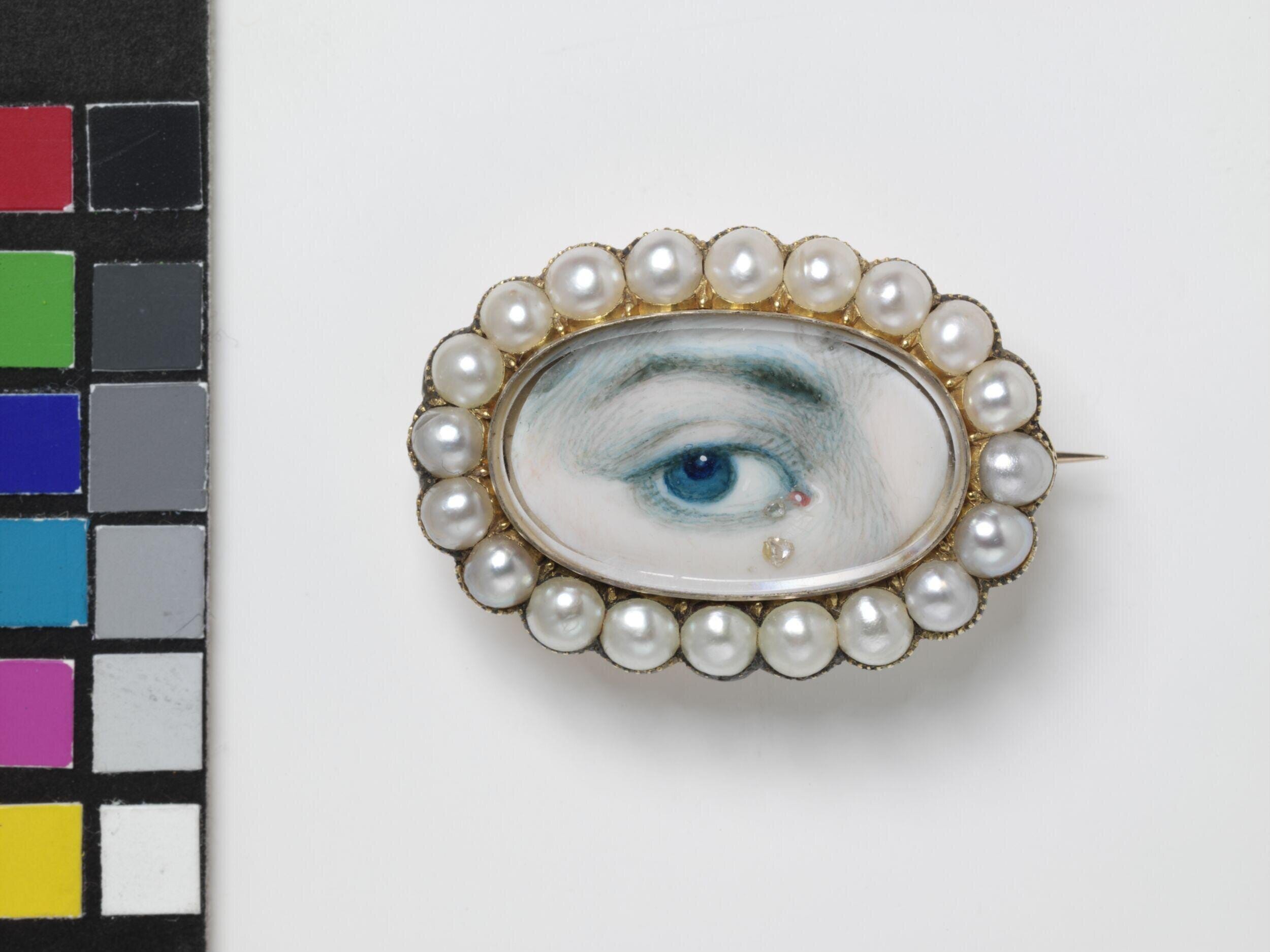
At the V&A, the objects that have captivated me ever since the first time I saw them are the eye miniatures.
These curious, intimate objects became fashionable in Britain in the late 18th and early 19th centuries, particularly during the Georgian and Regency periods. Often set into brooches, lockets, or rings, they depicted a single, carefully painted eye, said to be “the window to the soul” of a loved one.
In many cases, these miniatures were commissioned as secret tokens of affection. Because they showed only the eye, the identity of the sitter remained known only to the giver and receiver, perfect for forbidden, unrequited, or discreet love affairs. Some were even exchanged as mourning jewellery after the death of a loved one.
The eye itself has long been one of the most powerful and intimate symbols in human history. Think of the all-seeing eye in religious art, or the “third eye” in spiritual traditions, a symbol of perception, protection, and inner truth. To carry someone’s eye with you, close to your body, feels almost unbearably intimate.
In France, these miniatures were sometimes referred to as trompe-l’œil, “deceive the eye”. They were often named after the person whose eye was depicted and painted with extraordinary realism. To carry such an object with you feels, to me, like the ultimate form of devotion.
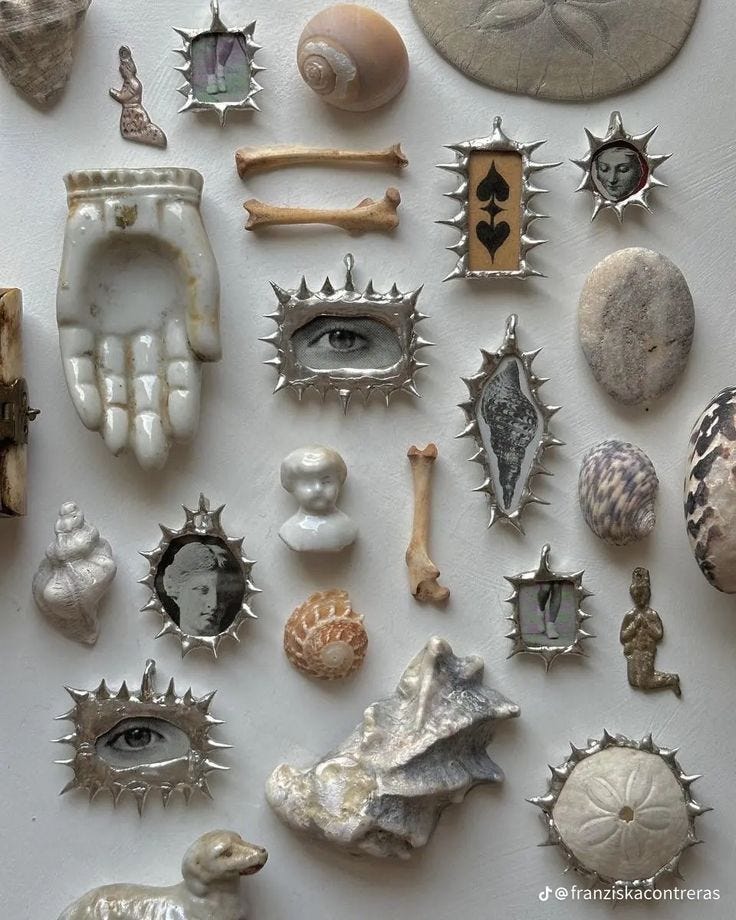
Beyond eye miniatures, the museum is filled with objects that whisper stories of love: posy rings engraved with poetic inscriptions, lockets holding hair, miniature portraits painted to be carried close to the heart.
Many of these objects speak of love that could not be openly expressed, forbidden, distant, or unrequited love. And now, centuries later, these deeply private tokens are displayed for the world to admire. There’s something incredibly moving about that.
But an object of affection doesn’t have to be grand or historically significant. Sometimes it’s something small, almost insignificant to anyone else.
I carry a little charm in my bag that my grandparents gave me. It’s simple, but having it with me reminds me how loved and protected I am. Just knowing it’s there is enough.
Laura from Hito recently created a whole collection that isn’t really about the physical object at all, although the objects themselves are beautiful, but about the feeling she is trying to recreate through her work. A sense of home. Of family dinners. Of love quietly surrounding you.
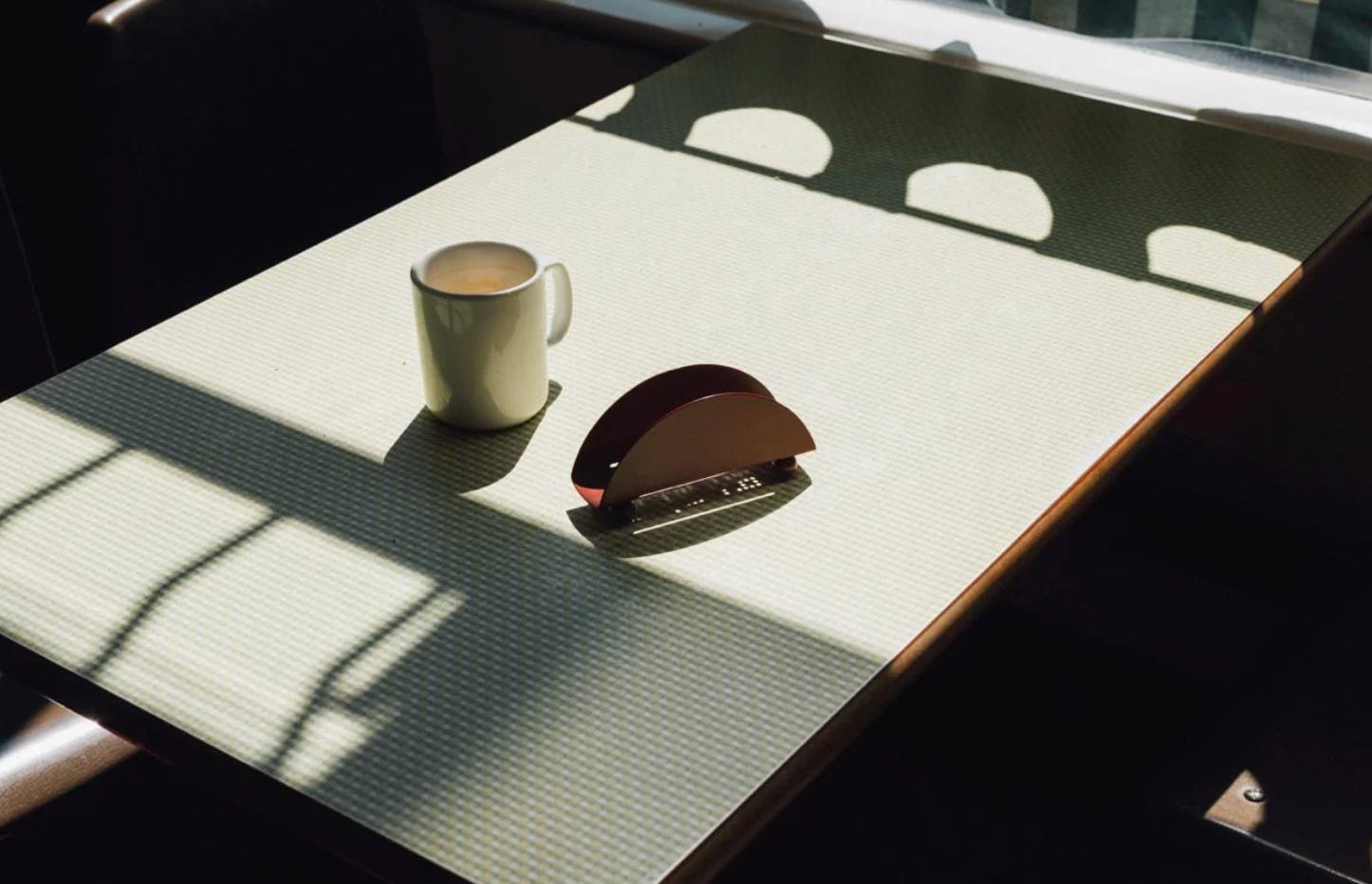
That, to me, is adoration as a practice.
One of the things I truly enjoy about the artists I work with is how much of their work is born from adoration. Adoration for people, places, heritage, memory, or something quietly personal. Their work feels intimate because it is intimate. It’s made from the feelings and souls they carry with them.
Take portraits, for example. To have someone paint a portrait of you or for you is an extraordinary gesture of love. It’s a way of freezing someone in time, not just their appearance, but their presence. To hang that portrait in your living space, the place you inhabit every day, feels like one of the highest forms of appreciation.
Your home, after all, is the most important space you curate for yourself.
Adoration, as a word on its own, speaks of deep love and respect, for one another, and for what surrounds us. How beautiful is it that we can carry that kind of love with us, physically, through objects?
Honestly, I think we should bring back trompe-l’œil. Or at least a cheapened version, which, yes, I am giving my family for Christmas: a keychain with a photo of me. (Don’t forget me, family!!)
So now I’ll turn the question to you.
What does adoration mean to you?
And what is the one token you carry with you, knowingly or unknowingly, that is your object of affection?
I’m curious.
Stay cozy,
Denise
!!!! 💕💕💕💕