
Made in...
Recently, I sat down for an interview with a magazine in Istanbul. They asked me about my favourite Asian furniture designer and, after offering a few names and reasons, I found myself reflecting.

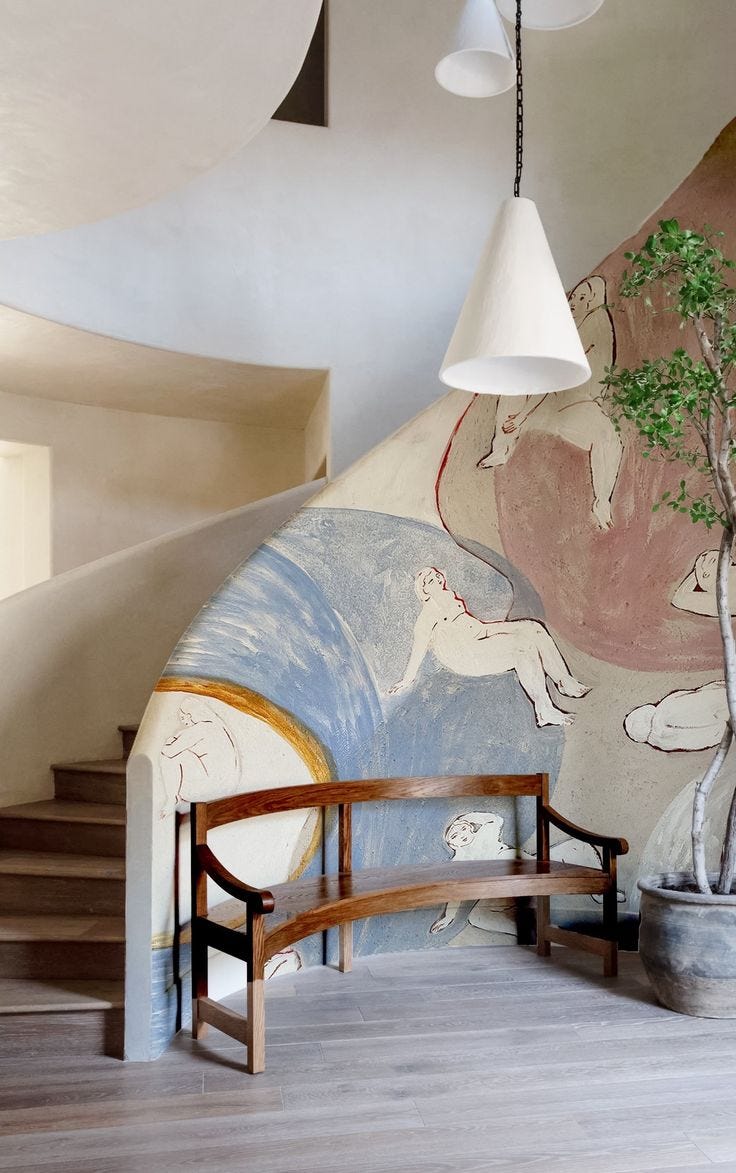
What links them all, I realised, is their deep engagement with heritage and the reimagining of culture, something that resonates strongly with the designers I work with and their approach to creating.
As the world becomes increasingly globalised, our cultures are beginning to merge. There’s something undeniably beautiful, and, in many ways, privileged about this exchange. Beyond the economic benefits it brings, there’s also a more unsettling layer: the quiet erosion of cultural identity. Through the pervasive influence of media, Western culture seeps into daily life across countless regions, gradually reshaping how people live.
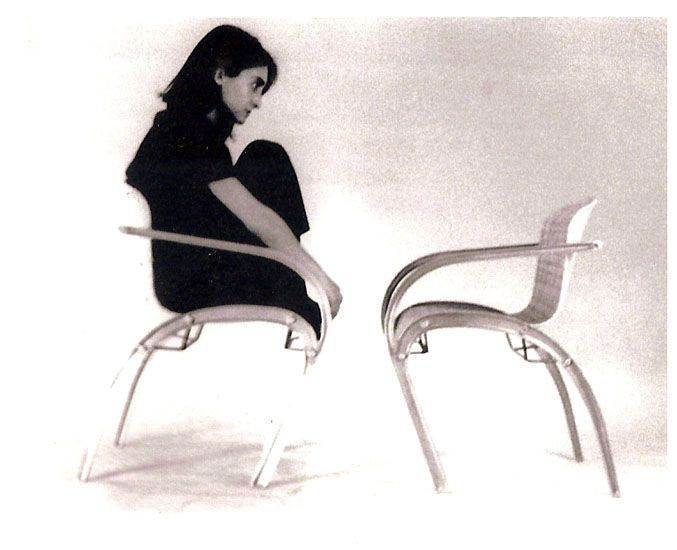
Giddens (1990) describes globalisation as leading to the "disembedding" of social relations, weakening local cultural identities. He argues that as our connections become more global, our loyalties shift away from the local.
In 2023, Jihane Ziyan wrote a beautiful piece about global identity and the fading of traditional cultural expression and in The Crisis of Culture: Identity Politics and the Empire of Norms, French political scientist Olivier Roy takes things further. He argues that we are in the midst of “deculturation.” In his view, enormous and often intangible forces: globalisation, neoliberalism, postmodernism, individualism, secularism, the internet, are rendering culture “transparent,” reducing it to a series of collectable tokens. Traditions once practised for their intrinsic value are now often performed to signal status or belonging. For Roy, this marks the decline of culture itself.
Which is why, I think, those rare moments of cultural recognition, that feeling of familiarity, cut so deeply. We hold onto them. Think of the cultural significance we spoke about the Monobloc album of Benito. And it’s also why I’m so drawn to the way the artists I work with honour craft and heritage.
Take Lucie, for instance. Raised in Buenos Aires by Czech parents, she revives traditional Czech glassblowing techniques, reimagining goblets and objets for contemporary use. Or, as I mentioned in my previous love letter, Manuela—who collaborates with indigenous communities in Colombia to help preserve their artisanal practices.
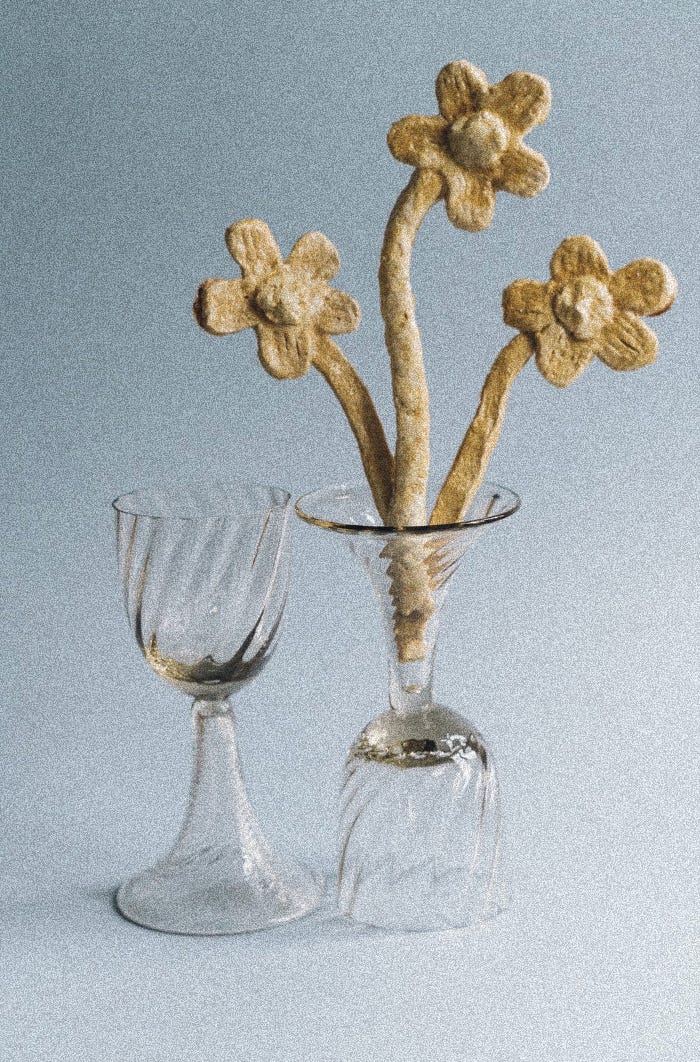
Then there’s Thanapond, who recently joined the design roster of igotathingforchairs. She uses ceramics to explore her heritage, for example, eastern astrology—a subject deeply woven into her family life and one that resonates with so many others (myself included).
I’m conscious that curating and creating a platform to buy these pieces could be seen as echoing what Roy critiques: our tendency to collect cultural “tokens.” But I’d argue that by supporting artists like Lucie or Manuela, we’re helping to safeguard forms of craftsmanship that may not survive in a homogenised, Westernised world of making.
And maybe there’s no perfect answer, maybe it’s about intention. I don’t believe preserving culture means freezing it in time. But I do believe in honouring its roots, in making space for practices that carry memory, spirit, and meaning.
And if that means carving out a little corner of the internet where these stories and objects can live, then I’m all in.
Don’t forget to follow our new page @shop.igotathingforchairs .
Stay Cozy,
Denise
OMG! I'm Jihane! this is so cool lol! great piece!